Updated March 11, 2025
A Detailed Guide For Betting On Quarterback Player Props
TL;DR
Quarterback prop betting is one of the most dynamic and strategy-driven markets in sports wagering. Unlike traditional team-based bets, these wagers focus en...

Affiliate disclosure: SureBets may earn a commission when readers use some links. Our editorial pages should still show restrictions, key terms, and safer gambling context.
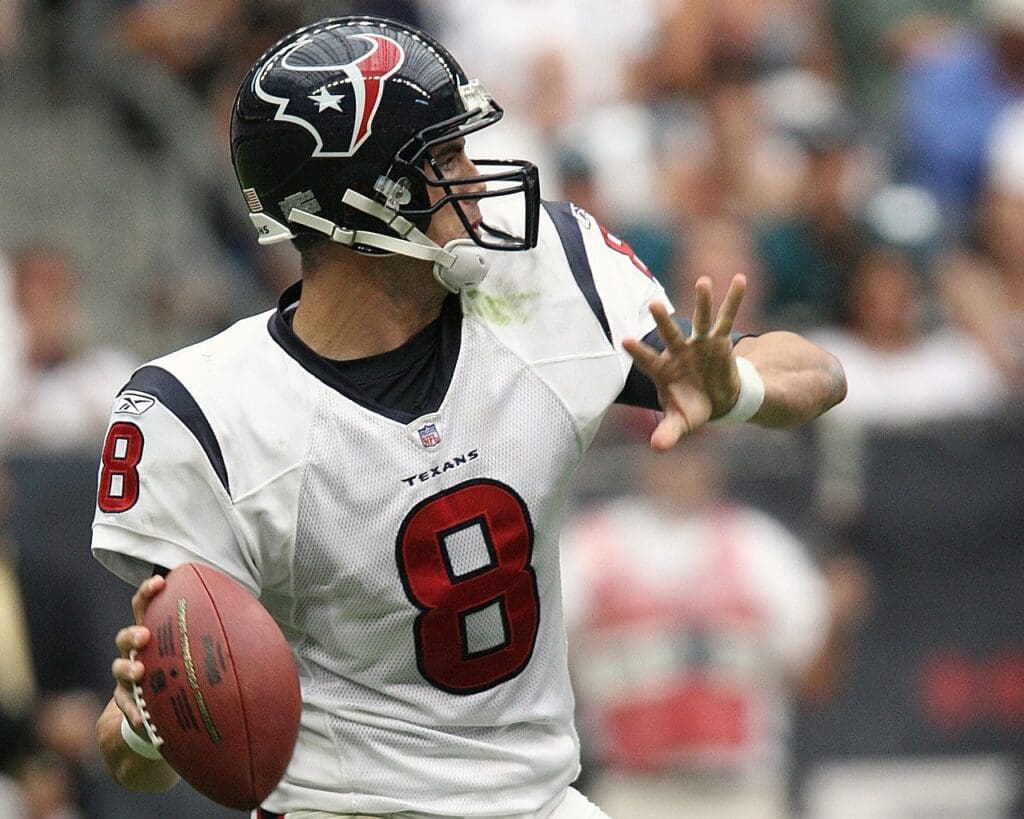
Understanding Quarterback Prop Bets
Prop bets on NFL quarterbacks revolve around measurable performance metrics. Some of the most common include:- Passing Yards: The total number of yards a quarterback throws for in a game.
- Passing Touchdowns: The number of touchdowns a quarterback throws in a game.
- Completions&Attempts: The number of completed and attempted passes.
- Interceptions: How many times a quarterback throws an interception.
- Rushing Yards: The total number of yards gained on the ground.
Key Factors to Consider Before Betting
Successfully betting on quarterback props isn’t just about picking overs or unders—it’s about understanding the context behind each number. A quarterback’s performance is shaped by multiple factors, from the opponent’s defense to their team’s offensive approach. Breaking these down can help identify the best betting opportunities.Matchup Analysis
The opponent’s defense is a critical factor in quarterback prop betting. A quarterback facing a weak secondary will likely have higher passing numbers, while one playing against an elite pass rush might struggle. For example, if Jayden Daniels is up against a defense ranked near the bottom in pass coverage, his passing yardage prop could be a strong bet. However, against a team with a top pass rush, his rushing yards might be the better play.Game Script
How a game unfolds has a major impact on quarterback production. If a team is expected to play from behind, the quarterback will likely throw more passes, increasing their passing yards and attempts. Conversely, a team with a lead might rely more on the run game, limiting passing opportunities. A quarterback like Patrick Mahomes thrives in shootout scenarios where his team is forced to keep throwing, making his passing yards and touchdowns attractive bets in high-scoring matchups.Playing Style
Not all quarterbacks are the same. Some are pure passers, others are dual threats, and a few lean heavily on short passes. Their style dictates which prop markets offer the most value.- Pocket Passers: Ideal for betting on passing yards and completions.
- Dual-Threat QBs: Offer value in rushing yards and anytime touchdown props.
- Game Managers: Best suited for completions and efficiency-based props.
Offensive System and Playcalling
A quarterback’s production is heavily influenced by their team’s offensive philosophy. Some teams lean on high-volume passing attacks, while others prioritize a balanced or run-heavy approach. Understanding how a quarterback fits within their system can make all the difference when betting on props. For example, Jared Goff thrives in structured, timing-based offenses that emphasize short to intermediate throws. His completions prop may be a strong play in matchups where his team relies on a quick passing game. However, if his team shifts to a more run-focused game plan, his passing yards total might be a riskier bet. Similarly, quarterbacks in aggressive, deep-passing systems often have higher yardage ceilings but can be volatile from week to week.Finding Value in Quarterback Prop Betting
Not all prop bets are priced correctly, and spotting value is what separates sharp bettors from casual ones. Whether it’s monitoring line movement, comparing sportsbook odds to independent projections, or exploring alternative markets, there are several ways to improve potential returns.Look for Line Movement
Tracking how a prop line moves can offer insight into sharp betting action. If a quarterback’s passing yards total shifts clearly, it could indicate an injury update, weather factor, or matchup adjustment. Keeping up with NFL player news is important here, as sportsbooks adjust lines based on new information. A sudden drop in a quarterback’s passing yards total might suggest an injury to a key receiver or a change in offensive strategy. Bettors who react quickly to these updates can find better value before the market fully adjusts.Compare Props to Projections
Sportsbooks set lines based on averages, but independent projections can help find discrepancies. If a quarterback’s passing yards projection is clearly higher than the listed line, it might be worth an over bet.Consider Alternative Markets
Some sportsbooks offer adjusted prop lines with better odds. For example, instead of taking Jayden Daniels over 50.5 rushing yards at standard odds, you might find an alternative line at 60+ yards with better value. Once again - research is key.Key Success Factors
Quarterback props offer some of the best opportunities in sports betting, but success requires careful analysis. Matchups, game scripts, playing styles, and even weather conditions play a role in how a quarterback performs. By understanding these factors and applying them to quarterbacks, bettors can find more value in prop markets and make smarter wagers.Related reading

article · October 4, 2022
$275 Million Expansion of Valley River Casino
The casino will have more than double its constructed space. It will add 315,158 square feet to 311,011 square feet of existing construction.
Read article
article · November 15, 2022
1x2 Network Signs a Deal through 888Casino in Ontario
Currently, 1x2 Network’s game portfolio is now live in Ontario through a deal that it signed with 888Casino.
Read articlearticle · September 2, 2023
2023-24 English Premier League Title Odds
In the last six Premier League seasons, only two clubs secured titles, with Manchester City claiming five. They're aiming for an unprecedented fourth consecu...
Read article