Updated May 22, 2025
Advanced Prop Betting Trends to Watch for NFL 2025
TL;DR
Picture Credit As the 2025 NFL season approaches, sharp bettors are already diving into advanced prop betting strategies to prepare for what could be one of...

Affiliate disclosure: SureBets may earn a commission when readers use some links. Our editorial pages should still show restrictions, key terms, and safer gambling context.
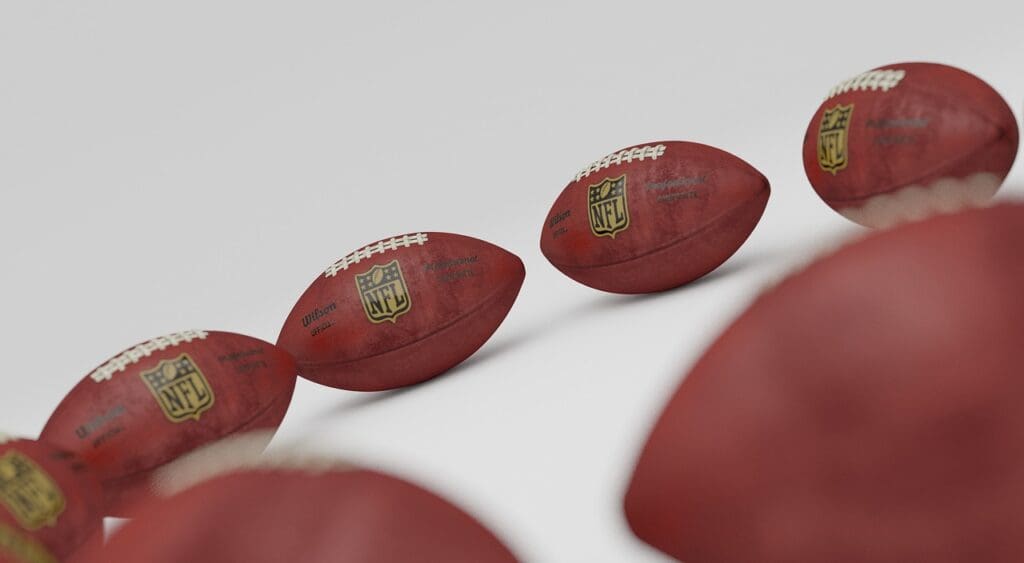
As the 2025 NFL season approaches, sharp bettors are already diving into advanced prop betting strategies to prepare for what could be one of the most analytically driven years yet.
With rule tweaks, evolving player roles, and a league-wide shift toward data-centric decision-making, the space of proposition betting is changing fast. This preseason window is when patterns begin to emerge—not just in player performance, but in how sportsbooks adjust markets and how bettors respond. From snap distribution to quarterback rushing trends and defensive versatility, identifying key prop signals early can create a more informed framework for wagering throughout the season.
Player Usage Metrics Are Driving Market Shifts
Traditional volume stats are no longer the only indicators sportsbooks rely on when setting props. Instead, Advanced usage metrics like route participation, air yards per target, and target share in neutral game scripts are influencing lines—especially for wide receivers and running backs. Bettors should today evaluate how often a player is on the field in high-use situations, not just how many touches they log.
For example, a third-down back who plays 25% of total snaps might still lead the team in red zone opportunities. That nuance can drive value in Touchdown scorer or reception props, especially early in the season before sportsbooks recalibrate. Monitoring training camp reports about player deployment—not just performance—is more valuable than ever when projecting usage-based props.
The Quarterback Rushing Boom Is Here to Stay
The Quarterback rushing prop market has matured, but not plateaued. Signal callers with designed run packages or consistent scramble rates continue to be undervalued in early lines, especially in season-long rushing totals. With more offenses incorporating read-option and RPO-based schemes, QBs who average over 20 rushing yards per game are no longer rare outliers.
Look for upward movement in props for players like Anthony Richardson, Lamar Jackson, and even Bryce Young, who could see increased usage outside the pocket. Defensive scheme changes also matter here—teams employing man coverage tend to leave more open running lanes, creating exploitable matchups for mobile quarterbacks. Bettors should consider matchup-driven rushing prop strategies based on defensive alignment tendencies.
Defensive Props: A Growing Market With Hidden Value
While offensive props dominate the conversation, Defensive player props are emerging as a sharper angle for those willing to dig into snap counts, positional flexibility, and matchup data. Lines for tackles, sacks, and pass deflections are increasingly influenced by game script and team tempo, yet they often remain mispriced compared to offensive equivalents.
For instance, a linebacker on a fast-paced defense facing a run-heavy offense may have increased tackle volume due to snap count inflation. Similarly, edge rushers facing pass-heavy teams with weak offensive lines could be primed for sack overs, even if their season-long averages are modest. Defensive props offer a rich opportunity for bettors who can contextualize individual matchups beyond surface stats.
Data-Driven Micro Markets Are Expanding

Books are beginning to offer More granular props, like completions in a specific quarter, longest rush over/under, or receiving yards on first down. These micro markets are ideal for bettors who track offensive tendencies by down and distance. For example, a team that frequently targets its tight end on first down might offer value on short-yardage reception totals, especially against zone-heavy defenses.
Because these niche props are often tied to broader market movement, understanding how they correlate with team strategy is important. This deeper insight also benefits anyone betting on NFL odds, particularly when props diverge from standard point spreads or totals. Spotting inconsistencies between player performance projections and in total game expectations can create sharper opportunities than conventional lines.
These props are also less efficient due to lower betting volume, meaning sharp bettors can get ahead of line movement by tracking offensive play-calling tendencies and scripted drives. Teams that score consistently on opening drives offer high-upside opportunities in first-quarter prop markets, which are still underexploited.
Rookie Roles and Market Lag
Each season, Rookies present one of the biggest inefficiencies in prop markets, particularly in the first six weeks. Oddsmakers often price rookie props conservatively due to uncertainty, even when beat reporters and preseason usage patterns signal high involvement. Skill-position rookies, especially tight ends and slot receivers, can exceed early expectations before sportsbooks adjust.
Staying on top of training camp rotations and the Latest NFL updates —from injury reports to positional battles—is important for spotting value before lines shift. News about unexpected starters or rookies moving up the depth chart can open narrow but profitable windows in the reception, rushing, or touchdown markets.
Keep an eye on rookies drafted by teams with clear positional needs or vacated targets. A wideout stepping into a system with established route trees and high passing volume—like in Los Angeles or Minnesota—may quietly become a top-two option, offering strong value on props like receptions and yards. Preseason snap distribution will be critical to spotting these breakout roles early.
Red Zone and Goal Line Specialists
As NFL teams increasingly employ Specialized red zone packages, identifying which players dominate touches inside the 10-yard line can find opportunities in anytime touchdown scorer markets. These roles often go to lesser-known backs or hybrid tight ends who may see limited in total usage but dominate in short-yardage situations.
The trend of using converted fullbacks or H-backs near the goal line is also gaining traction, especially for teams looking to minimize quarterback injury risk. Bettors should monitor camp buzz about goal-line packages and who is seeing reps in those spots. Season-long trends in red zone touches can inform weekly TD props, especially against defenses that allow high red zone conversion rates.
The Return of Versatile Tight Ends
Tight end usage is once again evolving. More teams are using athletic TEs in wide receiver-like roles, creating new prop opportunities for reception totals and yards. With teams spreading the field and running more 11 or 12 personnel, tight ends who can separate downfield are seeing increased target shares, particularly in play-action and red zone looks.
Look for situations where teams lose wide receiver depth and pivot to using the TE as a primary pass-catcher. These scenarios often produce favorable prop lines before the market catches on. Tight ends lined up in the slot against linebackers or safeties provide high-probability completions in short-to-intermediate zones, making them strong candidates for catch-based props.
The Value of Early Insight
As the 2025 NFL season nears, the sharpest bettors are using this preseason stretch to study the evolving prop market in detail. From player usage trends to emerging rookie roles and growing micro markets, opportunity lies in the nuance. Staying ahead of line movement, understanding how teams are deploying talent, and targeting overlooked defensive or red zone indicators can help bettors build smarter, more predictive strategies. The edges may be small—but in a market this dynamic, small notes can lead to big returns.
Related reading

article · October 4, 2022
$275 Million Expansion of Valley River Casino
The casino will have more than double its constructed space. It will add 315,158 square feet to 311,011 square feet of existing construction.
Read article
article · November 15, 2022
1x2 Network Signs a Deal through 888Casino in Ontario
Currently, 1x2 Network’s game portfolio is now live in Ontario through a deal that it signed with 888Casino.
Read articlearticle · September 2, 2023
2023-24 English Premier League Title Odds
In the last six Premier League seasons, only two clubs secured titles, with Manchester City claiming five. They're aiming for an unprecedented fourth consecu...
Read article